A standard bulk bag fills into a pillow shape that wastes pallet and container space. Here’s what changes when the bag holds a cube instead.
.

Mark Moellman
Founder, InterBULK USA
8 min read
Start Here
The hidden cost of a “pillow.”
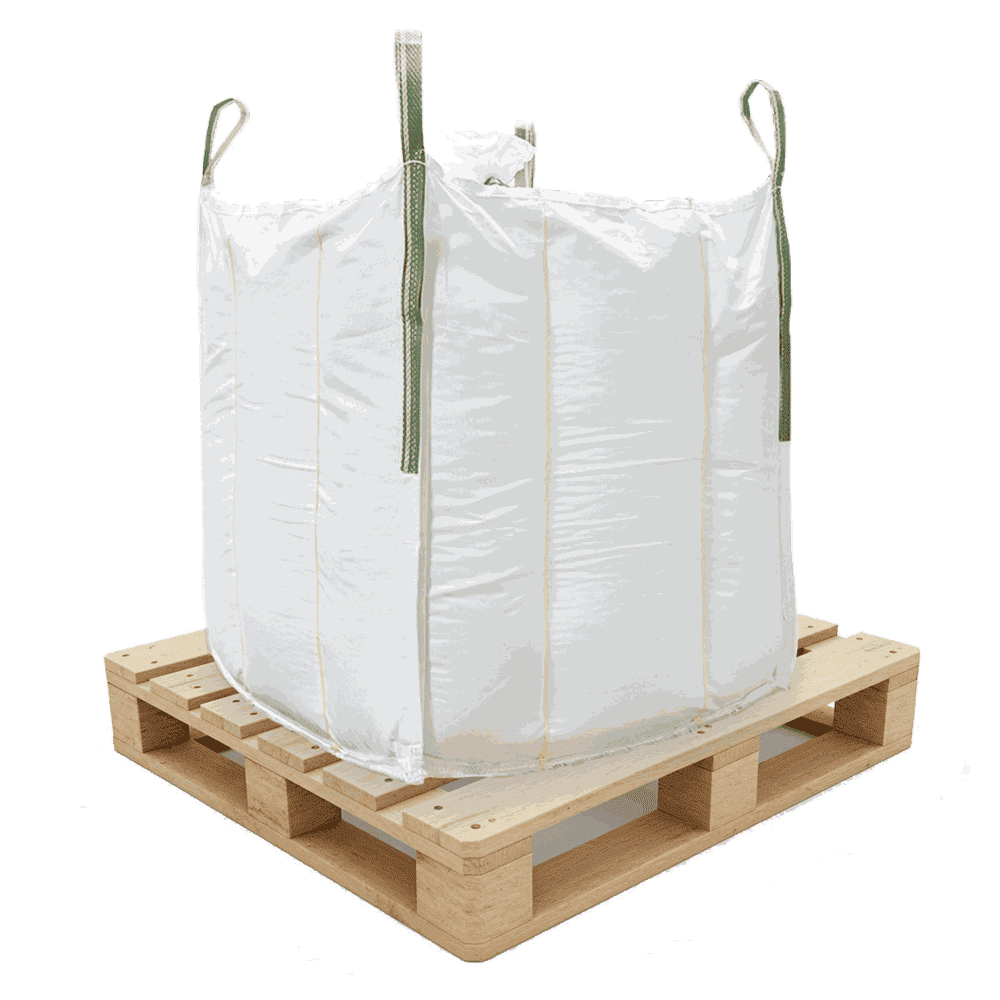
A standard bulk bag, filled, bulges out into a rounded pillow shape. That shape is fine for the bag. It’s not fine for your pallet or your container.
Round shapes don’t stack efficiently, and the gaps between bags are wasted space you’re paying to ship anyway. Multiply that wasted space across a full container or a year of shipments, and it adds up to real freight cost for nothing.
Baffle bags solve this with internal fabric panels sewn across the corners. When the bag fills, those panels pull it into a cube instead of a pillow. Industry figures put the gain at roughly 30% more product in the same footprint compared to a standard bag of the same dimensions: same truck, same container, more product moved per trip.
Standard Bag
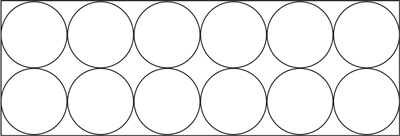
Space Is Wasted
A standard bag fills and rounds outward. The irregular shape leaves dead space between bags in a container or truck, reducing the number of units you can ship per load.
vs
Baffle Bag

Space Is Optimized
Four internal baffles hold the bag in a square cube shape when filled. Bags pack together tightly, maximizing space in containers, trucks, and warehouse storage.
Where It Pays Off
Where the savings actually show up.
The space savings show up in three places: more bags per pallet, more pallets per container, and steadier stacks in the warehouse.
That last one matters more than it sounds. A cube-shaped bag doesn’t lean, slump, or shift the way a pillow-shaped bag can, which means fewer damaged bags and less time spent re-stacking.
None of this requires a different material or a more complex bag: it’s a construction choice. For products where bag count per shipment is high and freight cost is a real line item, it’s worth running the numbers on what 30% more product per container does to your per-unit shipping cost.
Why It Matters
Three numbers worth knowing before your next freight quote.
Shape isn’t a cosmetic difference between bags. It’s a freight decision that compounds with every shipment.
Shape Is a Freight Decision
A bag that holds its shape stacks tighter: more product per pallet and per container without changing anything else about the shipment.
~30% More Capacity, Same Footprint
That’s the difference between a pillow shape and a cube shape at the same bag dimensions.
Steadier Stacks Mean Fewer Damaged Bags
A cube-shaped bag doesn’t slump or shift in transit the way a standard bag can.
When It Works and When It Doesn’t
The materials that benefit most, and a couple that don’t.
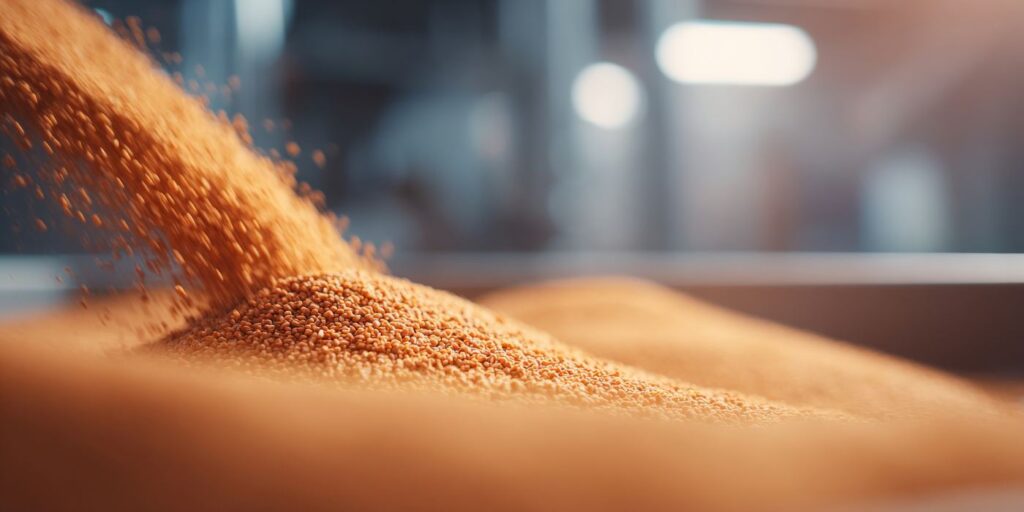
Baffle bags work best with free-flowing granular materials: plastic pellets, grain, fertilizer, sand, mineral powders. These materials settle into the cube shape evenly, the baffles hold their position through the fill cycle, and you end up with a clean, stackable bag every time.
They’re less suited to materials with irregular shapes or anything that bridges or clumps during filling. If the product doesn’t flow freely, it can press unevenly against the baffle panels and create an off-square fill that defeats the cube shape anyway. The baffle is doing its job, but the material isn’t cooperating.
One other thing worth confirming before you order: discharge spout placement. If your bag discharges through a bottom spout and the material needs to fall cleanly, baffle construction doesn’t change the discharge itself, but it’s worth making sure the spout configuration works with the baffle layout you’re specifying. A five-minute conversation when you place the order catches this before it becomes a problem at the filling line.
Common Questions
What buyers ask about baffle bags.
Straight answers to the questions that come up most before switching from a standard bag.
What is a baffle bag?
A baffle bag is a bulk bag with internal fabric panels sewn into the corners. When the bag fills, those panels pull it into a cube shape instead of letting it round outward into a pillow shape, the way a standard bag does.
How much more product fits in a baffle bag versus a standard bag?
Industry figures put the gain at roughly 30% more product in the same footprint, because the cube shape stacks tighter than a pillow shape with the same bag dimensions. That translates into more bags per pallet and more pallets per container without changing anything else about the shipment.
Do baffle bags cost more than standard bags?
Yes, typically a modest amount more per bag because of the extra fabric and sewing involved in the baffle panels. For high-volume shipments where freight cost is a real line item, the extra product per container usually outweighs the higher per-bag price.
Can baffle bags be reused?
It depends on the safety factor, not the baffle construction itself. A standard 5:1 baffle bag is built for a single trip like any other 5:1 bag. A 6:1 multi-trip bag with baffles can be reused with proper inspection between trips, the same as any other multi-trip FIBC.
What materials work best in baffle bags?
Free-flowing granular materials, plastic pellets, grain, fertilizer, sand, and mineral powders settle evenly into the cube shape and hold it well. Materials that bridge or clump during filling can press unevenly against the baffle panels and defeat the cube shape, so they’re less suited to this construction.
What’s the difference between standard baffles and net baffles?
Standard baffles use solid woven polypropylene panels. Net baffles use a mesh fabric instead, which lets product flow more evenly during discharge and reduces the chance of material getting trapped in the corners, useful for products that tend to bridge in a standard baffle bag.
Worth Thinking About
A quick comparison, same dimensions.
If you’re shipping a high volume of bagged product and haven’t compared a baffle bag option lately, it’s worth a look.
Same material, same dimensions, different shape: potentially fewer trips per year.
Curious what 30% more capacity does to your freight bill?
Send us your current bag dimensions and shipment volume. We’ll show you what a baffle bag does to your per-container product count.